
Introduction
If you or a loved one believes they were harmed by poor medical care, a common question is: How hard is it to win a medical negligence case? This guide explains the practical realities for claimants in both the US and the UK, using published outcomes, common hurdles, and step-by-step advice so you can make an informed choice. Early steps and honest expectations matter: many claims resolve without trial, but success depends on evidence, expert support, and meeting strict legal tests.
Table of Contents
ToggleDisclaimer: This article is informational only and does not constitute legal, medical, or financial advice. Consult a qualified solicitor/attorney for advice on your specific situation.
How hard is it to win a medical negligence case? (Overview)
Short answer: it’s often harder than people expect. Two facts shape most outcomes:
- Most claims never reach a jury trial. They are resolved earlier through alternative dispute resolution or settlement.
- When cases do go to trial, defendants (healthcare professionals/institutions) win a significant share of trials. Historical and empirical studies show doctors/defendants win many contested trials, especially where evidence is mixed.
These realities do not mean meritorious claims fail by default. They mean claimants must clear several procedural and evidentiary hurdles — and present a strong, provable case.
Key outcomes & success-rate data (US and UK)
Understanding outcomes helps set realistic expectations.
UK (NHS-focused outcomes)
- NHS Resolution reported a continuing trend of resolving around 80–81% of claims without court proceedings in 2023/24. A significant portion of resolved claims closed with damages; in 2023/24, around 52% of clinical claims that closed involved payment of damages.
US (settlement and trial patterns)
- In the US, the majority of medical malpractice matters are settled or otherwise resolved before trial. Estimates vary, but many legal sources and insurer data put settlement rates high and trial rates low (single-digit percentages of filed claims end with a jury trial). Plaintiffs’ win rates at trial historically vary by study — physician/defendant victories are common in jury trials when evidence is weak or disputed.
Takeaway: Settlement is the most likely route to compensation. Trials are rare, costlier, and riskier for both sides.
Why cases are hard to win at trial (Key hurdles)

Winning at trial requires clearing legal elements and convincing fact-finders. Major obstacles include:
1. Burden of proof and legal tests
- Claimants must prove the healthcare provider owed a duty, breached the standard of care, caused harm, and that damages followed. The legal burden (balance of probabilities in the UK; preponderance of evidence in the US civil context) still demands credible, probative proof.
2. Need for credible expert evidence
- Medical negligence cases rely heavily on expert witnesses who can explain standard of care and causation. Weak, contradictory, or absent expert evidence often causes claims to fail. Guidance from professional bodies stresses the pivotal role of expert testimony.
3. Causation is difficult
- Even where care fell short, claimants must show that the breach caused the harm (the “but for” test in many jurisdictions). Proving that the outcome would have been different without the breach is often contested and technically complex.
4. Records, delay, and evidence quality
- Missing or ambiguous records, delayed reporting, or poor contemporaneous notes can undermine a claim. The defendant’s documentation and expert reconstructions frequently counter claimant narratives.
5. Statutes of limitation / time limits
- There are strict time limits for starting claims (statutes of limitations). Missing these deadlines can bar a claim entirely, regardless of its merits. Always check the applicable deadlines promptly.
Who has the strongest chance of success?
Cases with the best chance typically share these features:
- Clear, contemporaneous clinical records showing errors or omissions.
- Strong, corroborative diagnostic evidence (scans, labs, photos).
- Independent expert reports that align with a breach of the standard of care and causation.
- Early, documented attempts to resolve the matter (patient safety reports, complaints) that support the claimant’s timeline.
- Significant, demonstrable harm (e.g., permanent disability, clear worsened prognosis) rather than pain or short-lived complications.
If you have these elements, the claim is more likely to settle for meaningful compensation or succeed at trial if necessary.
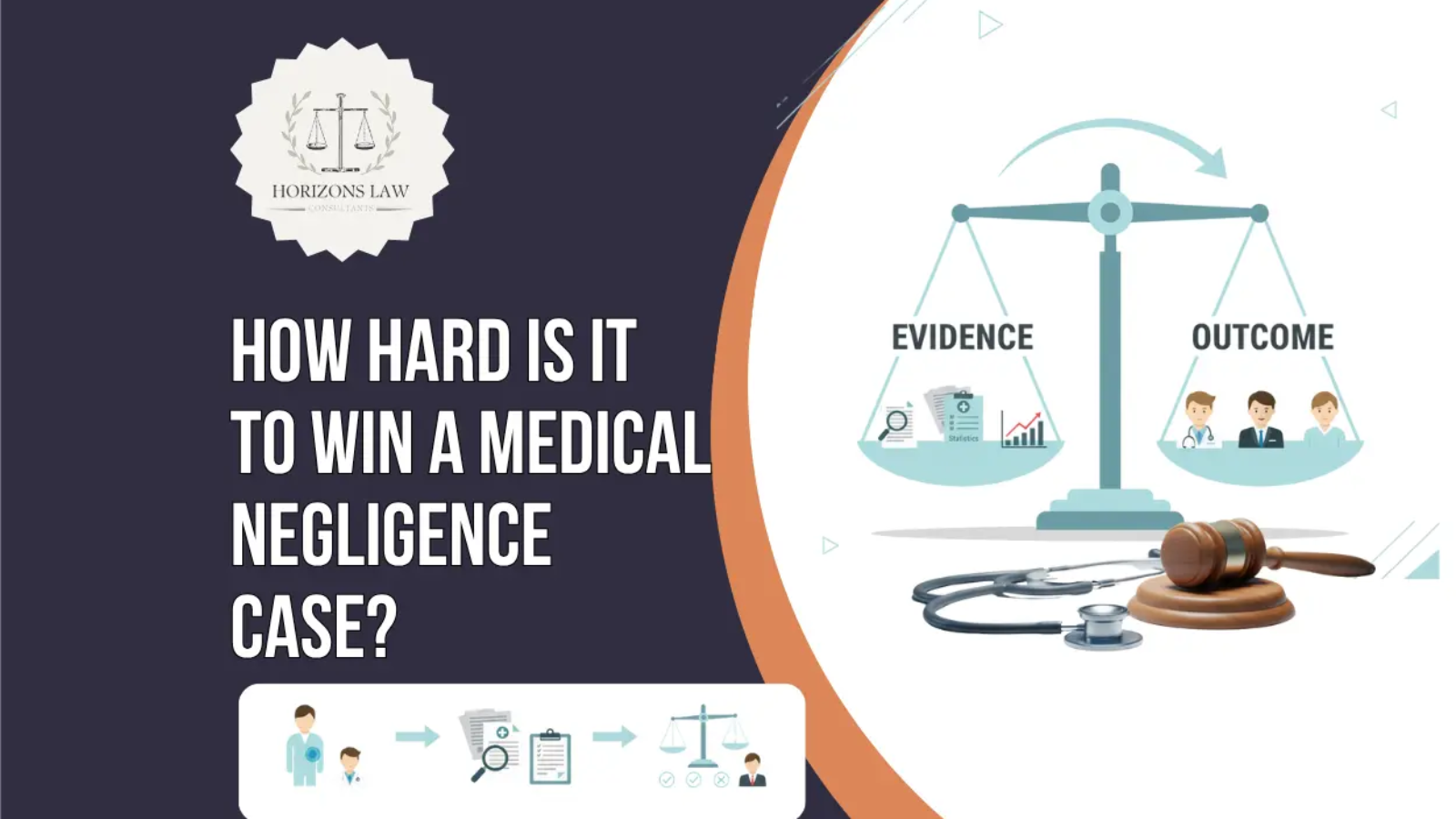
Typical pathway: step-by-step medical negligence process
This is a simplified pathway for claimants in the UK/US systems:
- Initial assessment and evidence gathering
- Obtain medical records, imaging, test results, and contemporaneous notes.
- Take photographs, get witness statements if possible.
- Obtain medical records, imaging, test results, and contemporaneous notes.
- Legal consultation
- Speak to a solicitor or attorney experienced in medical negligence. Many offer a free or low-cost initial review.
- Speak to a solicitor or attorney experienced in medical negligence. Many offer a free or low-cost initial review.
- Expert instruction
- Your lawyer obtains a medical expert report assessing breach and causation. This is decisive.
- Your lawyer obtains a medical expert report assessing breach and causation. This is decisive.
- Pre-action resolution / negotiation
- Many claims are negotiated directly with the hospital/insurer. Alternative dispute resolution may be used.
- Many claims are negotiated directly with the hospital/insurer. Alternative dispute resolution may be used.
- Issuing a claim / filing a lawsuit
- If negotiations fail, formal proceedings may be started within limitation periods.
- If negotiations fail, formal proceedings may be started within limitation periods.
- Disclosure & witnesses
- Both sides exchange documents and expert reports; possibility of mediation.
- Both sides exchange documents and expert reports; possibility of mediation.
- Trial
- Only a small fraction of cases reach trial. At trial, judge/jury considers witnesses and expert testimony.
- Only a small fraction of cases reach trial. At trial, judge/jury considers witnesses and expert testimony.
- Judgment or settlement
- If successful, damages are awarded; if not, the claim fails (note appeals are possible but limited).
Settlement vs trial: which is better?
Most attorneys recommend aiming for a fair settlement because:
- Settlements are faster, cheaper, and certain.
- Trials are unpredictable; defendants often have resources and experienced legal teams.
- Settlements allow structured payments and confidentiality if desired.
However, if a defendant refuses fair offers and you have strong evidence, trial may be necessary — but accept that trial outcomes are uncertain.
How solicitors/attorneys evaluate a claim (what they look for)
When you consult a lawyer, they will typically assess:
- Records completeness: Are there notes, test results, imaging?
- Severity of harm: Permanent injury, disability, or increased mortality risk strengthens claims.
- Causation likelihood: Can an expert link the breach to the harm?
- Defendant exposure and liability insurance: Public bodies/hospitals may have deep pockets but robust legal defenses.
- Time and cost vs likely recovery: Lawyers will estimate recoverable damages and compare to cost and complexity.
Many firms operate on contingency/no-win-no-fee (UK: conditional fee agreements; US: contingent fees), making it easier for claimants to bring cases, but lawyers still screen strictly.
Practical steps to improve your chance of success

If you think you have a claim, do this immediately:
- Request and secure all medical records (do it in writing).
- Keep a detailed symptom/treatment diary with dates and effects.
- Save receipts and proof of expenses related to treatment.
- Get witness details (family, nurses, other staff).
- Consult an experienced medical negligence solicitor/attorney early.
- Do not sign settlement offers or release documents without legal advice.
- Be realistic: prepare for negotiation and a possible long timeline.
Detailed evidence checklist (what really helps)
A strong claim usually includes multiple types of supporting evidence. Collect and preserve:
- Full hospital and GP records — admission notes, nursing notes, drug charts, consent forms, discharge summaries.
- Diagnostic imaging and lab reports — scans, pathology, microbiology results, and timestamps.
- Medication records — prescriptions, administration records, and any missed/incorrect dosages.
- Contemporaneous notes — notes made by family, carers, or other staff who witnessed events.
- Photographic evidence — wound photos, visible injuries, medical devices.
- Financial records — invoices for private treatments, travel, care costs, and lost earnings documentation.
- Rehabilitation and prognosis reports — physiotherapy notes, occupational therapy assessments, and future care plans.
- Complaints and incident reports — copies of formal complaints lodged with the hospital, NHS trust, or clinic.
Tip: Request records early (subject access request in the UK; records request in the US) to avoid delays and redactions.
Expert witnesses: selection, reports, and challenges
Expert evidence is the backbone of medical negligence claims. Key points:
- Experts must be independent, credible, and experienced in the relevant specialty.
- Reports must explain standard of care, identify the breach, and link the breach to the harm in clear, non-technical language for judges and juries.
- Expect the defendant to instruct their own expert; differences between experts create the contested battleground.
- Cross-examination at trial can undermine weak expert opinions; prefer peers who have published, taught, or regularly testified.
- Consider multiple experts where causation or prognosis is complex.
Typical timelines and what to expect (example scenarios)
Timelines vary, but typical patterns include:
- Straightforward settlement path (UK/US): 3–12 months from first solicitor contact to settlement, if the defendant admits breach early and the quantum (damages amount) is straightforward.
- Complex cases with long-term care needs: 12–36 months or more, as experts need time to assess future loss and courts/insurers may dispute care needs.
- Trial route: 1–4 years from claim filing to trial and judgment, depending on court backlog and case complexity.
Delays are common: expert availability, disclosure disputes, and court timetables lengthen the process. Plan for patience.
Emotional and practical support for claimants
Bringing a claim can be emotionally taxing. Consider:
- Accessing counselling or support groups for patients harmed by medical errors.
- Asking a trusted family member to assist with record requests and meetings.
- Using patient advocacy services (e.g., NHS Patient Advice and Liaison Service in the UK).
- Seeking a second medical opinion for current health management while the claim proceeds.
Practical support reduces stress and keeps the claim on track.
Costs, funding, and fees
- UK: Conditional fee agreements and After The Event (ATE) insurance are common. Legal aid is rarely available for civil medical negligence claims.
- US: Contingency fees (typically 25–40% of recovery) are standard. Plaintiffs may need to fund expert reports and litigation expenses out of pocket or on a loaned basis from counsel.
Make sure you understand funding, and get fee terms in writing.
When to accept a settlement and when to proceed
Consider accepting when:
- The settlement fairly compensates for past and future care, loss of earnings, and pain/suffering.
- The offer reduces uncertainty and covers long-term needs.
- Trial risks outweigh the potential additional recovery.
Consider proceeding when:
- The offer is clearly inadequate relative to long-term needs.
- Liability is strong, causation is well-supported, and expert evidence is compelling.
Always review offers with your solicitor/attorney and, if needed, an independent expert on future care needs.
Examples and outcome patterns (what studies show)
- NHS statistics show most clinical claims are resolved without court and around half of resolved claims involve damages.
- Empirical studies in the US show plaintiffs win a minority of jury-decided malpractice trials in samples studied, while many claims settle beforehand. Historical analyses note defendant wins in numerous contested trials when evidence is weak or disputed.
These patterns underline why careful pre-trial preparation and strong expert evidence matter enormously.
Building a realistic expectation and next steps
- Expect a process measured in months to years, not weeks.
- Focus on evidence, expert reports, and clear documentation of harm and costs.
- Use pre-action protocols (UK) or early settlement negotiations (US) to try to resolve matters early.
- Choose representation with trial experience and proven expert networks.
Final checklist for claimants

- Obtain all medical records and ancillary evidence.
- Seek specialist legal advice within limitation periods.
- Secure at least one independent expert report aligning with your version of events.
- Keep a diary and financial records of losses.
- Be prepared to negotiate; understand settlement trade-offs.
FAQs (common claimant questions)
How long do I have to start a claim?
Time limits vary — commonly three years from the date of negligence or from when you reasonably knew you were harmed (UK). In the US, state statutes of limitation differ. Missing limits often bars claims entirely. Seek advice immediately.
Will my case definitely go to trial?
No. Most claims settle. Trials are the exception used when parties cannot agree or liability is strongly contested.
Do I need a lawyer?
While you can pursue a claim personally, most successful claimants use solicitors/attorneys experienced in medical negligence because of legal complexity and expert evidence requirements.
Can I claim for emotional harm?
Yes, damages for pain, suffering, and loss of amenity are compensable, but quantification is technical and often less than awards for loss of earnings or future care.
What if the hospital admits fault?
Admission of fault can simplify resolution but does not always quantify damages or fully establish causation — you still need to establish the link between breach and harm.
Conclusion
Answering “How hard is it to win a medical negligence case?” requires nuance. Statistically, many claims never see a courtroom because settlements resolve the issue, but trials that do occur are often won by defendants where evidence is equivocal. For a claimant, the route to a successful outcome is clear: gather thorough evidence, secure high-quality independent expert reports, meet limitation deadlines, and instruct capable legal representation.
Act early. Document everything. Use the checklist above. With strong preparation, meritorious claims frequently settle for fair compensation — and where necessary, succeed at trial.
Add a Comment