
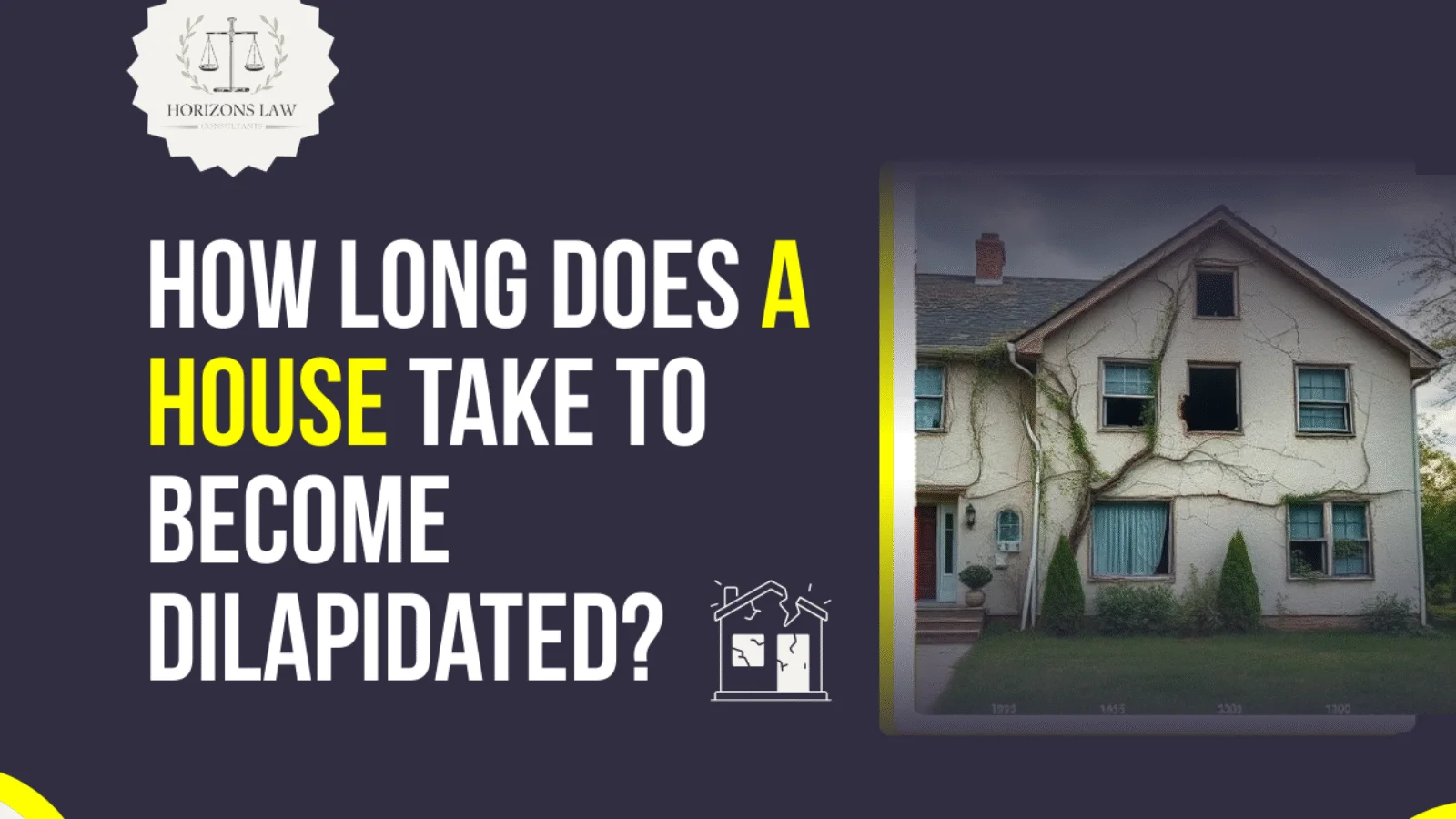
If you’ve ever driven past an abandoned property and wondered, how long does it take for a house to become dilapidated?, you’re not alone. Homeowners, real estate investors, and property managers often grapple with this question when dealing with vacant homes. Dilapidation isn’t an overnight event—it’s a gradual process driven by neglect, weather, and time.
Table of Contents
ToggleIn this guide, we’ll break down the timeline, key factors, and practical steps to prevent it. Whether you’re managing an inherited property or eyeing a fixer-upper, understanding this decay process can save you thousands in repairs.
By the end, you’ll know the stages of deterioration and how to spot early warning signs. Let’s dive in.
What Does “Dilapidated” Really Mean for a Home?
A dilapidated house is one that’s fallen into serious disrepair, posing safety risks and often requiring major renovations or demolition. Legally, it might be condemned if it endangers public health or structure integrity. But how does a sturdy home reach this point?
The term stems from Latin roots meaning “to fall into ruin,” and in real estate, it signals when a property’s value plummets due to unchecked wear. For investors, this means lost revenue; for homeowners, it’s a heartbreaking slide from asset to liability.
Key indicators include cracked foundations, sagging roofs, and rampant mold—issues that escalate without intervention. Recognizing this early is crucial, especially in a global market where vacant properties number in the millions.
Key Factors That Speed Up or Slow Down House Deterioration
No two homes decay at the same rate. Several variables dictate how long it takes for a house to become dilapidated. Here’s a breakdown:
Climate and Environmental Conditions
Weather is the biggest culprit. In humid regions like the Southeast U.S., moisture infiltrates roofs and walls, fostering rot and mold. Homes here can turn unrepairable in just 3 years. Arid deserts, like Arizona, buy time—up to 10 years—thanks to low humidity. Cold climates add freeze-thaw cycles, cracking foundations after 5 harsh winters.
Salt air near coasts corrodes metal and erodes siding, while high winds in tornado alleys strip away protective layers. Globally, tropical zones see faster decay due to relentless rain.
Quality of Construction and Materials
Well-built homes last longer. Brick or concrete structures endure centuries with minimal care, outpacing wood frames vulnerable to pests. Asphalt shingles last 15-30 years; neglect them, and leaks start within a decade.
Check roofing material lifespans and decay timelines
Foundations? Concrete slabs can go indefinitely if drained properly, but poor pouring leads to cracks in 20-50 years. Investors should always check build quality—pre-1980s homes might hold up better in moderate climates but falter without upkeep.
Pests, Vegetation, and Human Interference

Unmowed lawns invite vines like kudzu, which pry open cracks and destabilize walls. Termites and ants thrive in damp wood, boring through framing in months. Vandals accelerate the process with broken windows, inviting more weather damage.
In urban areas, squatters add wear through neglect or intentional harm. These “house entropy” elements compound natural decay.
Factor | Accelerates Decay In | Slows Decay In |
Climate | Humid/Tropical (3-5 years) | Arid/Desert (8-10+ years) |
Materials | Wood (rot-prone) | Brick/Concrete (durable) |
Pests/Vegetation | Moist Areas (months) | Dry, Controlled Lots (years) |
The Timeline: How Long Until Full Dilapidation?
So, how long does it take for a house to become dilapidated? It varies wildly—anywhere from 3 years in harsh conditions to 50+ in ideal ones. Here’s a practical timeline based on unmaintained vacant properties.
Short-Term Decay (0-2 Years): The Silent Start
Within weeks, dust settles and minor leaks begin if windows aren’t sealed. By 6 months, clogged gutters overflow, eroding foundations. Mold appears in damp basements, and small cracks form from settling.
In humid spots, roofs start leaking within a year, soaking insulation. Property managers: This is when insurance lapses hit hardest—vacant home policies are essential.
Medium-Term Deterioration (3-10 Years): Structural Threats Emerge
By year 3 in wet climates, floors warp and walls bow from rot. Siding peels, inviting pests. In moderate areas, this phase hits around year 5, with frozen pipes bursting in winter.
Roofs collapse if trusses rot, and vines infiltrate, turning a home into a eyesore. Real estate investors often find “unrepairable” tags here—demolition costs soar.
Long-Term Ruin (10+ Years): Collapse Risk
After a decade, even sturdy homes falter. Foundations shift from root intrusion, chimneys topple, and full structural failure looms. Brick homes might stand 200 years, but mortar crumbles, leading to walls failing.
In post-apocalyptic scenarios, usable life drops to 20-30 years. Globally, arid zones extend this to centuries for stone builds.
Disclaimer: These timelines are estimates based on general data. Consult a structural engineer for your property, as local codes vary.
Stages of House Deterioration in Abandoned Properties
Deterioration unfolds in predictable phases. Spotting them early can halt the slide.
- Phase 1: Surface Wear (Months 1-6) Paint fades, gutters clog. Water pools, starting minor rot. Sign: Peeling exterior, musty odors inside.
- Phase 2: Moisture Invasion (6 Months-3 Years) Leaks breach roofs, fostering mold in walls. Floors soften. Sign: Stains on ceilings, warped doors.
- Phase 3: Biological Assault (2-5 Years) Termites chew framing; plants crack concrete. Sign: Hollow-sounding wood, visible roots.
- Phase 4: Structural Compromise (5-10 Years) Walls sag, roofs cave. Safety hazards mount. Sign: Cracks wider than 1/4 inch, leaning elements.
- Phase 5: Irreversible Decay (10+ Years) Full collapse possible. Condemnation likely. Sign: Partial cave-ins, unstable stairs.
Use this checklist during inspections:
- Check roof integrity
- Inspect foundation cracks
- Look for pest entry points
- Test for mold spores
Warning Signs Your House Is Heading Toward Dilapidation
Don’t wait for collapse. Watch for these red flags, especially in vacant properties.
- Foundation Issues: Horizontal cracks or heaving soil signal shifting—fix before it worsens.
Learn about foundation repair timelines and costs in the UK
- Roof and Siding Damage: Missing shingles or rusted gutters lead to interior floods.
- Mold and Rot: Black spots or soft wood indicate humidity battles lost.
- Pest Infestations: Sawdust trails from termites or ant hills near the base.
Explore termite prevention strategies for unmaintained homes
- Vegetation Overgrowth: Ivy climbing walls? It’s a structural saboteur.
For investors, these signs can drop value by 20-50%. Schedule bi-annual checks for long-term holds.
Prevention Strategies: Keeping Your Property from Decay
You can’t stop time, but smart maintenance extends life. Here’s how:
Routine Upkeep for Vacant Homes
- Seal windows and doors annually—caulk lasts 20-25 years.
- Clean gutters twice yearly to prevent water damage.
- Mow lawns and trim trees to block root intrusion.
Climate-Specific Tips
- In humid areas: Install dehumidifiers and vent roofs.
- In cold zones: Insulate pipes against freezes.
- Coastal properties: Rinse salt buildup quarterly.
Investment Advice
Real estate pros: Budget 1-2% of property value yearly for maintenance. For abandoned flips, get a professional inspection—costs $300-500 but avoids $10K surprises.
Pro Tip: Secure vacant insurance; standard policies exclude unoccupied homes over 30 days.
Real-World Case Studies: Lessons from Dilapidated Homes

Consider a Florida foreclosure left empty in 2010. By 2013, saltwater and humidity rotted the frame—total loss in 3 years. Contrast with an Arizona adobe home, vacant since the 1990s, still structurally sound after 30 years due to dry air.
In the UK, a Victorian brick house neglected for 40 years needed only cosmetic fixes—proof of material resilience. These stories underscore: Location and materials matter most.
FAQs
1. Can you be a graphic designer without a college degree in 2025?
Yes, you can be a graphic designer without a college degree in 2025. A strong portfolio and skills in design theory, typography, and graphic design software like Adobe Illustrator or Canva are key. A 2024 LinkedIn study shows 70% of hiring managers prioritize portfolios over degrees, and platforms like Upwork report 35% of freelance gigs go to non-degree holders.
2. What skills are essential to become a graphic designer without a degree?
To become a graphic designer without a college degree, master design theory, typography, and software like Photoshop or Figma. Soft skills like communication and time management are also vital. The blog highlights how self-taught designers can use free resources like Canva’s Design School to build these skills and compete in 2025’s job market.
3. How do I build a graphic design portfolio without formal education?
You can build a graphic design portfolio without a degree by creating 5–10 mock projects, such as logos or website mockups, and taking on small freelance graphic designer gigs via Fiverr. Host your work on Behance or Dribbble. A 2025 Dribbble survey notes 40% of featured portfolios are from self-taught designers, proving you can shine without a degree.
4. Are graphic design bootcamps a good alternative to a degree in 2025?
Yes, graphic design bootcamps are a strong alternative to a degree, offering intensive training in 3–9 months for $5,000–$15,000. A 2024 Springboard report found 80% of bootcamp grads landed design jobs within six months. The blog compares bootcamps to degrees, highlighting their affordability and focus on practical graphic design skills.
5. How do AI tools impact graphic designers without a degree in 2025?
AI tools for graphic design, like Adobe Firefly and Canva AI, level the playing field for non-degree designers by automating tasks like mockup creation. A 2025 Adobe survey shows 60% of designers use AI for efficiency. The blog explains how combining AI with skills like typography ensures competitive designs in 2025’s market.
Conclusion:
How long does it take for a house to become dilapidated? From 3 years in wet climes to decades elsewhere, neglect is the common thread. As a homeowner or investor, vigilance pays off. Regular checks, climate-aware tweaks, and prompt repairs keep properties thriving.
Don’t let entropy win. Inspect today, maintain tomorrow. Your future self—and wallet—will thank you.
Add a Comment